Skin conditions Treatment in West Hollywood
Skin problems can affect comfort, confidence and sleep, and they are often a sign of something worth understanding. Our primary care practice in West Hollywood evaluates your skin, explains what is going on, and builds a clear plan to help you feel better.
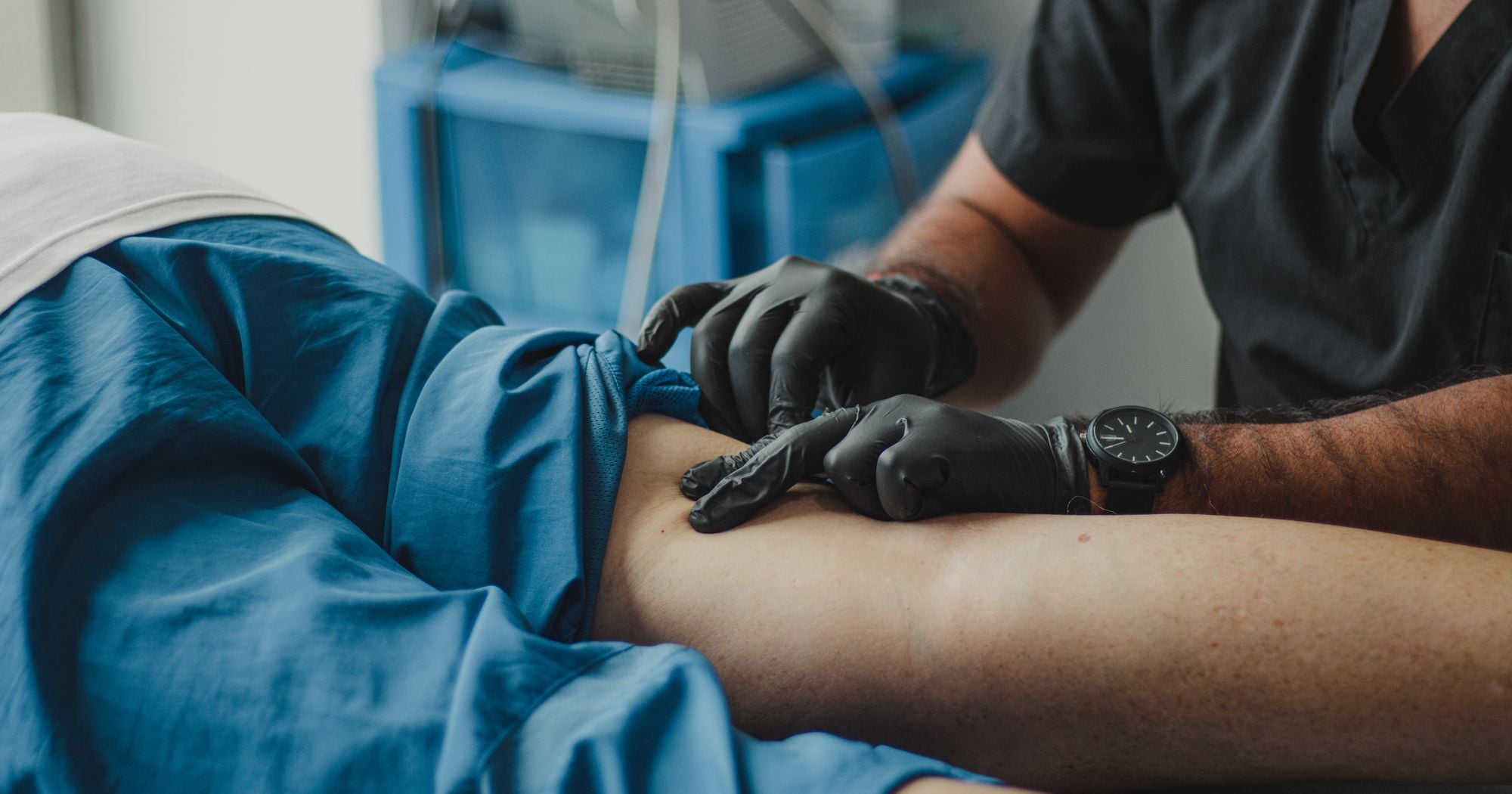
Understanding Skin conditions
Skin conditions are among the most common reasons people seek medical care. They range from acne, eczema, rosacea and contact dermatitis to fungal infections, hives, psoriasis, warts and suspicious moles. Because the skin is the body's largest organ and the most visible one, even a minor problem can cause itching, pain, embarrassment and lost sleep. Chronic conditions can affect work, relationships and mood, and many people live with them longer than necessary before getting help.
Causes vary widely. Genetics play a major role in eczema, psoriasis and acne, while allergens, irritants, harsh products, sun exposure, climate and stress can trigger flare-ups. Infections from bacteria, viruses, fungi or parasites cause others. Hormonal shifts, immune conditions, certain medications and underlying illnesses such as diabetes or thyroid disease can also show up on the skin. Risk factors include a family history of skin disease, a history of allergies or asthma, frequent sun exposure, fair skin, and a weakened immune system. In sunny Southern California, sun protection and regular attention to new or changing spots are especially important.
Professional evaluation matters because many skin conditions look alike but need very different treatments. A steroid cream that helps eczema can worsen a fungal infection, and a spot dismissed as harmless may need a biopsy. A clinician can identify the cause, recommend safe and effective treatment, check for underlying health problems, and catch serious conditions early. Proper care also prevents scarring, infection and the cycle of scratching that keeps skin inflamed.
Signs & Symptoms of Skin conditions
- Persistent redness. Areas of skin that stay pink or red for weeks, often with warmth or sensitivity.
- Itching. An ongoing urge to scratch that disrupts focus and sleep and can damage the skin.
- Dry, scaly or flaking patches. Rough areas that crack, peel or look silvery, common in eczema and psoriasis.
- Breakouts and bumps. Pimples, cysts or pustules on the face, chest or back that recur.
- Rash. Raised or flat areas of irritated skin that may blister, weep or spread.
- Burning or stinging. Skin that reacts to products, sun, heat or wind with discomfort.
- Thickened or darkened skin. Leathery or discolored areas that develop after long-term scratching or inflammation.
- Hives. Itchy raised welts that appear and fade, often tied to allergens or stress.
What to Expect
- Careful review of when your skin changes started, what helps or worsens them, and what products and medications you use
- Examination of affected areas with review of medical, allergy and family history
- A plain-language explanation and a plan that fits your routine, skin type and preferences
- Testing or dermatology referral where helpful
- Ongoing check-ins with adjustments if results are slow or irritation appears
How We Treat Skin conditions
Assessment
We begin with a careful conversation about when your skin changes started, what makes them better or worse, and what products and medications you use. We examine the affected areas and review your medical history, allergies and family history. Where helpful, we may recommend testing or a referral to a dermatology specialist.
Treatment Plan
We explain what we think is happening and walk through your options in plain language. Together we choose a plan that fits your daily routine, your skin type and your preferences. You leave knowing what to use, how often, and what to watch for.
Ongoing Care
Skin conditions often change over time, so we check in on how you are responding. We adjust treatments if results are slow or irritation appears. We also help you build habits that lower the chance of flare-ups.
Benefits
A personalized care plan
Your skin, history and lifestyle shape your plan, rather than a one-size-fits-all routine.
Thorough time to ask questions
We make room to talk through your concerns so you understand your diagnosis and each step of treatment.
Coordinated follow-up
We keep track of how you respond, adjust the plan when needed, and coordinate referrals if you need a specialist.
Your Treatment Journey
First Evaluation (week 1)
We review your history, examine your skin and discuss likely causes. You may begin a simple first-line plan right away, and we may order tests if needed.
Treatment Begins (weeks 2-4)
You start your plan and track changes. Many people notice less itching or irritation early, while visible improvement often takes several weeks. Mild irritation can occur as skin adjusts, so tell us if something feels wrong.
Progress Review (month 2-3)
We assess how much your skin has improved, adjust medications or routines, and consider a specialist referral if progress is limited.
Long-term Management
Many skin conditions are chronic and come and go. The goal is steady control, fewer flare-ups and skin checks as appropriate.
Warning Signs That Need Prompt Care
Changing moles. A mole that changes in size, shape, color or border should be checked promptly.
Sore that will not heal. A spot that bleeds, crusts or stays open for several weeks needs evaluation.
Rapidly spreading rash. A rash that expands quickly, especially with fever, can signal infection or a drug reaction.
Warm, swollen, painful skin. These can be signs of cellulitis, a bacterial infection that needs treatment.
Blistering or peeling skin. Widespread blisters or sheets of peeling skin require urgent care.
Painful, blistering band. A one-sided stripe of burning blisters may be shingles, best treated early.
Swelling of lips or face with hives. This can be an allergic reaction and needs emergency care if breathing is affected.
Skin symptoms with fever or joint pain. Rashes alongside whole-body symptoms may point to an underlying condition.
If you recognize these signs, help is available. Early treatment leads to better outcomes.
Treatment Matched to the Diagnosis
Treatment is matched to the diagnosis. Foundational care includes gentle cleansers, regular moisturizing, trigger avoidance and daily sunscreen. Medications may include topical corticosteroids or non-steroidal anti-inflammatory creams for eczema, topical retinoids, benzoyl peroxide and antibiotics for acne, topical metronidazole or azelaic acid for rosacea, antifungal creams or tablets for fungal infections, and antihistamines for hives and itching. Bacterial skin infections may require antibiotics, and shingles is treated with antiviral medication. When a lesion looks suspicious, we arrange biopsy or refer you to a dermatologist for procedures or advanced therapies.
Results Note
Results vary. Chronic skin conditions are usually controlled rather than cured, and patience with the plan is part of success.
Common Questions About Skin conditions
How long does treatment take?
It depends on the condition. Mild contact rashes may clear in days to a couple of weeks, acne often takes two to three months to respond, and chronic conditions such as eczema, psoriasis or rosacea are managed over the long term.
Is medication required?
Not always. Some conditions improve with gentle skin care, avoiding triggers and moisturizers. Others need topical or oral medications. We discuss the benefits and risks of each option before you decide.
Does insurance cover skin condition care?
Coverage varies by plan and by service. Please call the office to ask about how your visit and any recommended treatments or tests may be handled.
What if the first treatment does not work?
This is common and not a failure. Skin conditions often need adjustments, so we review your routine, confirm the diagnosis, change the approach and refer you to a dermatology specialist when appropriate.
When should I worry about a mole or spot?
Have it checked if it changes in size, shape or color, has uneven borders, bleeds, or does not heal. Early evaluation matters for possible skin cancer.
Can I see you for skin problems in West Hollywood?
Yes. Skin concerns are a common reason to see a primary care doctor. Call the office to talk about your concern and arrange a visit.
Get Help for Skin conditions Today
You don't have to face Skin conditions alone. We are ready to help.
Schedule an Appointment