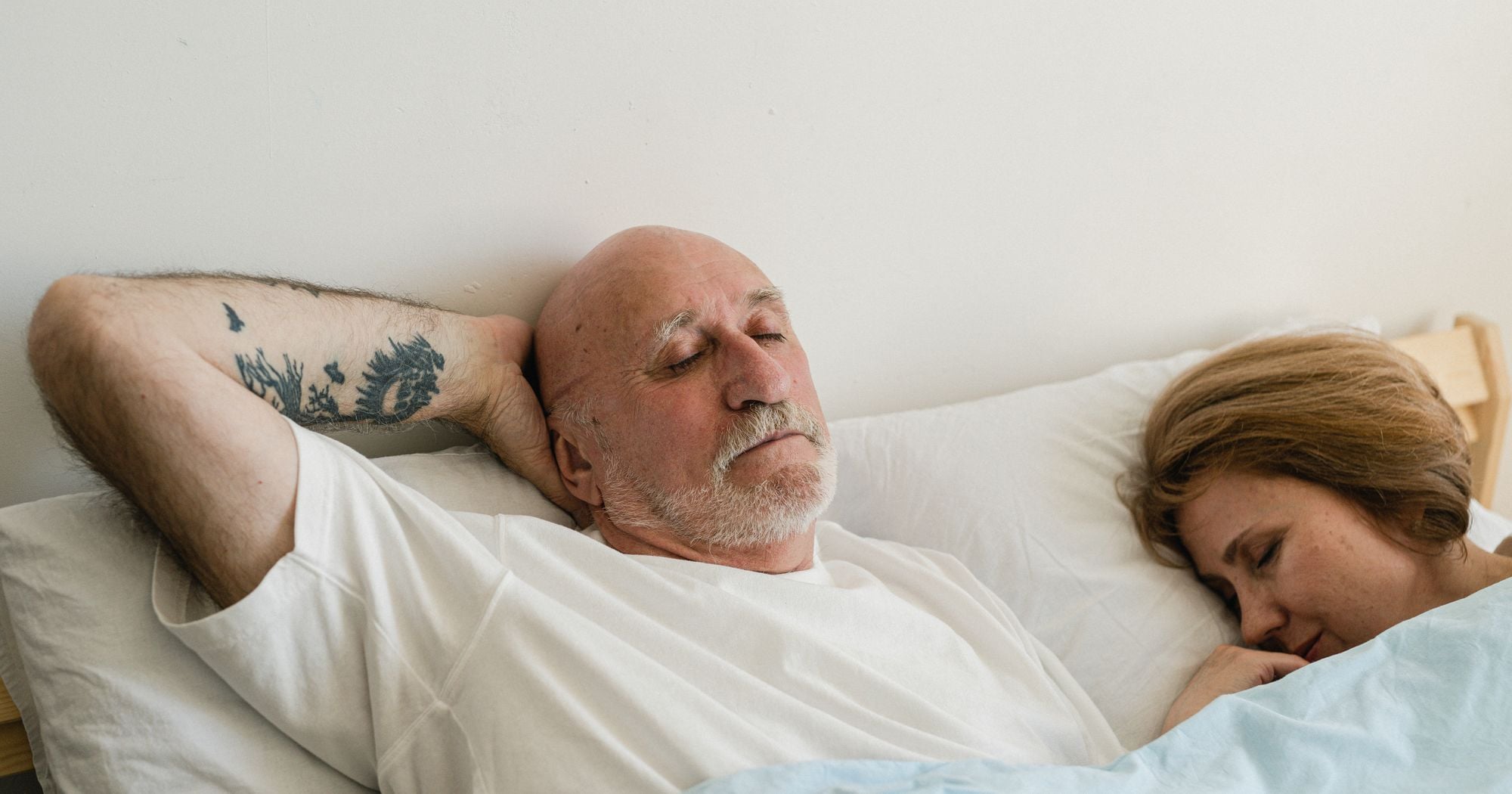
You know the feeling: a night of poor sleep, and the next day everything is harder. Coffee barely helps, patience runs thin, and small problems feel enormous. Now imagine that feeling stretching across weeks or years. Sleep is not a luxury or a sign of laziness. It is one of the most important things your body does to repair, regulate, and protect itself, and when it goes wrong, nearly every part of your health can feel the effects.
What Happens While You Sleep
Sleep is an active process. Over the course of a night, your brain cycles through lighter sleep, deep slow-wave sleep, and REM (rapid eye movement) sleep. Deep sleep is when the body does much of its physical repair, including tissue growth and immune system support. REM sleep is closely tied to memory, learning, and emotional processing. Hormones that control appetite, stress, and blood sugar are also adjusted during these hours. Cutting sleep short interrupts all of this work.
How Much Sleep Do Adults Need?
Most adults do best with seven to nine hours of sleep per night. Needs vary a little from person to person, but regularly getting less than seven hours is associated with higher health risks. Quality matters as much as quantity. Eight hours in bed with frequent awakenings is not the same as eight hours of consolidated, restorative sleep.
Sleep problems affect people of every age, but they are especially common among shift workers, caregivers, people with chronic pain or anxiety, women during pregnancy and menopause, and adults managing other medical conditions.
What Poor Sleep Does to Your Body
Large studies have linked chronic short sleep to a wide range of problems. Here are some of the most well-documented:
- Heart health: Insufficient sleep is associated with higher blood pressure, heart disease, and stroke risk.
- Blood sugar and weight: Sleep loss can raise hunger hormones, increase cravings, and reduce insulin sensitivity, raising the risk of type 2 diabetes and weight gain.
- Mood and mental health: Poor sleep is strongly connected with depression and anxiety, and the relationship works in both directions.
- Immunity: People who sleep less tend to get sick more often and may respond less strongly to vaccines.
- Thinking and safety: Attention, memory, reaction time, and decision making all decline, and drowsy driving is a real danger.
Sleep is not a luxury or a sign of laziness.
Common Sleep Problems Worth Knowing About
Insomnia, difficulty falling or staying asleep, is the most familiar issue. Obstructive sleep apnea is another common one, in which breathing repeatedly pauses during sleep. Signs include loud snoring, gasping or choking at night, morning headaches, and heavy daytime sleepiness. Restless legs syndrome, circadian rhythm disruption, and sleep problems related to medications, hormones, pain, or mental health can also play a role. Many of these are treatable once they are identified.
Practical Tips for Better Sleep
Small, consistent habits, often called sleep hygiene, are the foundation of better rest. Cognitive behavioral therapy for insomnia (CBT-I) is also considered a first-line treatment by many medical organizations and often works well without medication.
- Keep a consistent sleep and wake time, even on weekends.
- Get morning daylight and move your body during the day.
- Limit caffeine after midday and keep alcohol away from bedtime.
- Keep your bedroom cool, dark, and quiet.
- Put screens away 30 to 60 minutes before bed and build a calming wind-down routine.
- If you cannot sleep after about 20 minutes, get up and do something quiet until you feel drowsy.
When to Talk With a Doctor
Consider a conversation with a primary care doctor if trouble sleeping lasts more than a few weeks, if you feel unrefreshed despite enough time in bed, if a partner notices you stop breathing or snore loudly, or if sleepiness interferes with work or driving. A visit can look at medications, medical conditions, mood, and lifestyle factors that may be contributing, and decide whether further testing or treatment makes sense.
You do not have to simply push through exhaustion. If sleep has been slipping away from you, Elena Chetver, MD offers primary care in West Hollywood, CA. Call the office or use the contact page to start the conversation.