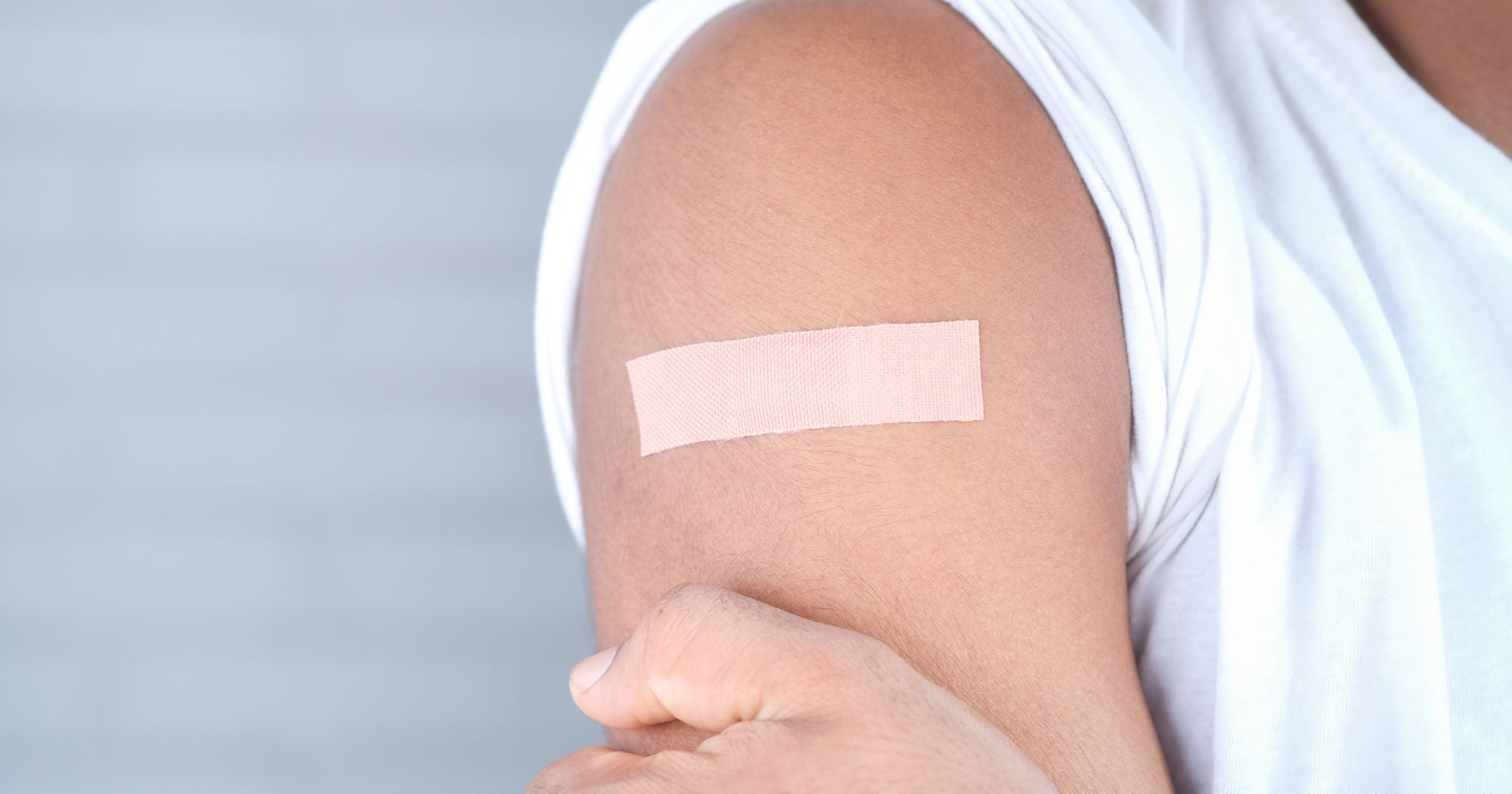
Most of us remember childhood vaccines as a string of appointments our parents handled. Then adulthood arrives, and the schedule quietly fades from view. Yet protection from some vaccines wears off, new vaccines become available, and certain infections become more dangerous as we age. A short conversation about your vaccine history can prevent illnesses that are serious, disruptive, and often avoidable.
Why Adults Still Need Vaccines
Immunity is not always lifelong. Protection against tetanus and diphtheria declines over time, and whooping cough protection can fade within years. Aging also changes the immune system, which is why infections like influenza, pneumonia, and shingles can hit older adults harder. Chronic conditions such as diabetes, heart disease, asthma, and kidney disease raise the stakes further.
Vaccination also protects the people around you: infants too young to be immunized, pregnant people, and those with weakened immune systems.
The Vaccines Most Adults Should Know About
Recommendations come from public health bodies such as the CDC and are updated regularly, so your doctor will tailor them to you. In general, these are the main ones discussed in adult care:
- Influenza: recommended yearly for nearly all adults, because the virus changes and immunity declines.
- COVID-19: recommendations change as the virus and evidence evolve.
- Tdap/Td: protects against tetanus, diphtheria, and pertussis, with boosters about every 10 years.
- Shingles (recombinant zoster): generally recommended for adults starting at age 50.
- Pneumococcal: advised for older adults and for younger adults with certain health conditions.
- RSV: available for older adults and others at higher risk of severe illness.
- Hepatitis A and B, HPV, MMR: depending on age, history, occupation, and risk factors.
Immunity is not always lifelong.
What the Evidence Shows
Decades of research show that vaccines substantially reduce the risk of severe disease, hospitalization, and complications. The recombinant shingles vaccine, for example, has been shown in clinical trials to prevent the large majority of shingles cases and reduce the risk of long-lasting nerve pain. Annual flu vaccination lowers the risk of severe illness, even in years when it does not fully prevent infection.
Side effects are usually mild: a sore arm, fatigue, or a low fever for a day or two. Serious reactions are rare. If you have had a severe allergic reaction to a vaccine or its ingredients, tell your doctor so the right choices can be made.
Who Should Pay Extra Attention
Some situations call for a closer look at your vaccines: pregnancy or planning a pregnancy, a weakened immune system, chronic illness, caring for newborns or older relatives, healthcare or school work, and international travel. If you do not know your vaccine history, that is common and not a problem. Your doctor can help decide what to confirm, what to repeat, and what to update.
Practical Steps to Get Current
- Gather any vaccine records you have, including old school, military, or travel records.
- Ask whether your tetanus booster is due; it is generally recommended every 10 years.
- Get a flu shot each year, ideally in early fall.
- Review COVID-19 vaccine recommendations, which are updated periodically.
- Discuss shingles, pneumococcal, RSV, hepatitis, and HPV vaccines based on your age and health.
- Tell your doctor about travel plans, pregnancy plans, or chronic conditions.
Take the Next Step
Staying current on vaccines is one of the simplest, most effective forms of prevention. If you are unsure where you stand, call the office to talk about your history and which vaccines make sense for you. A personal review takes the guesswork out and helps you stay protected through every stage of life.