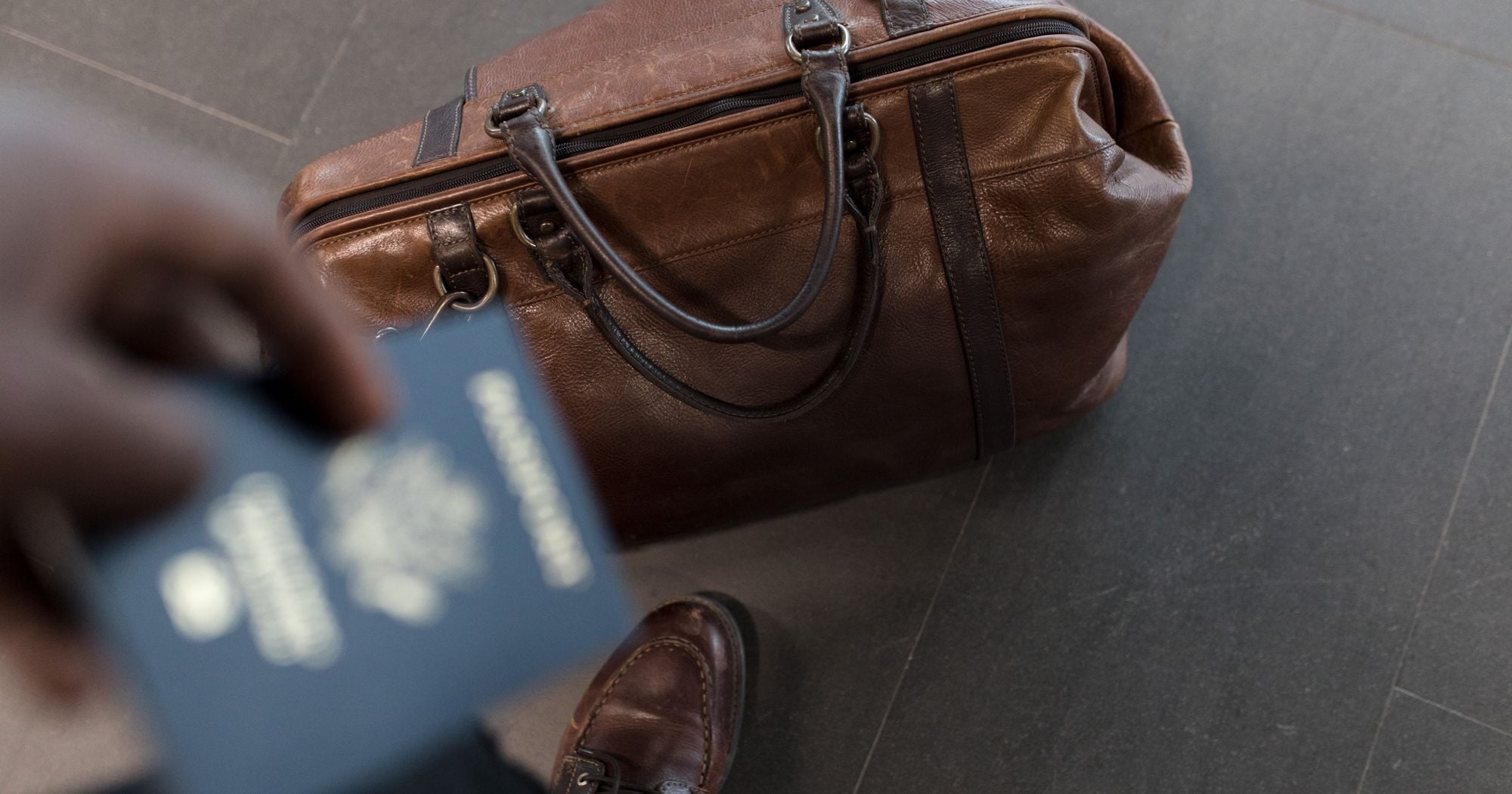
You have booked the flights, reserved the hotel, and mapped out the sights. Then a fever, a stomach illness, or a lost prescription turns a long-awaited trip into a stressful one. Most travel health problems are preventable, and a little planning weeks before departure goes a long way.
Why Travel Health Planning Matters
Travelers meet different germs, climates, foods, and healthcare systems than they do at home. Common trip-related problems include traveler's diarrhea, respiratory infections, motion sickness, sunburn, insect-borne illness, and flare-ups of existing conditions. Anyone who travels can be affected, but people with chronic conditions, older adults, young children, and pregnant travelers have more to consider.
Public health agencies such as the CDC recommend starting your preparation four to six weeks before departure, because some vaccines need multiple doses or time to build protection.
Start With a Pre-Travel Conversation
A visit with your primary care doctor before a trip lets you review your destination, the length of your stay, your planned activities, and your medical history together. Spending time in rural areas, visiting family, or traveling for adventure activities each carry different risks than a resort stay.
Topics worth discussing include:
- Routine vaccines, such as measles, flu, COVID-19, and tetanus, to make sure you are up to date
- Destination-specific vaccines or preventive medicines, depending on where you are going
- How to manage chronic conditions such as diabetes, asthma, or high blood pressure across time zones
- Risks tied to pregnancy, age, or a weakened immune system
Vaccines and Preventive Medicines
Recommendations depend on your destination. Depending on where you go, your doctor may discuss hepatitis A, typhoid, yellow fever, rabies, or Japanese encephalitis vaccines, or medicine to prevent malaria. Malaria prevention in particular must usually be started before you arrive and continued afterward, so timing matters.
Staying current on routine immunizations is just as important. Measles, for example, still circulates in many parts of the world, and travelers can bring it home.
Medications and Medical Records
Running out of medicine far from home is one of the most avoidable travel problems. Bring more than you need for the trip, and keep medications in your carry-on in their original labeled containers. Rules about certain medicines vary by country, so check regulations for your destination before you pack.
- Carry a list of your diagnoses, medications, doses, and allergies
- Keep a copy of key records, such as a recent ECG if you have heart disease
- Ask about adjusting dose timing if you will cross several time zones
- Learn how to reach a doctor while away, and check what your travel insurance covers
Food, Water, and Insect Safety
Traveler's diarrhea is the most common illness among people visiting regions with different sanitation standards. Simple habits lower the risk: eat food that is cooked and served hot, choose fruit you can peel, drink bottled or treated water where tap water is unsafe, and wash your hands often or use an alcohol-based sanitizer.
For mosquito-borne illnesses, use an EPA-registered repellent, wear long sleeves in endemic areas, and sleep in screened or air-conditioned rooms when possible.
Staying Well During the Journey
Long flights and car rides increase the chance of blood clots in some people. Stand and walk periodically, stretch your calves, stay hydrated, and ask your doctor whether compression stockings make sense for you. Sunscreen, sunglasses, and a hat protect against sun damage, and prioritizing sleep helps your immune system cope with a changed routine.
A Simple Travel Health Kit
- Prescription medicines plus a few extra days of supply
- Pain and fever reducers, antihistamines, and oral rehydration salts
- Bandages, antiseptic, and any personal first aid items
- Sunscreen, insect repellent, and hand sanitizer
- Motion sickness remedies if you are prone to it
After You Return
Pay attention to how you feel for several weeks after getting home. If you develop a fever, persistent diarrhea, a rash, or any unusual symptoms, tell your doctor about your recent travel right away, since it helps narrow down possible causes.
If a trip is on your calendar, do not wait until the week before you leave. Call the office to talk about planning ahead so you can enjoy your travels with more confidence.