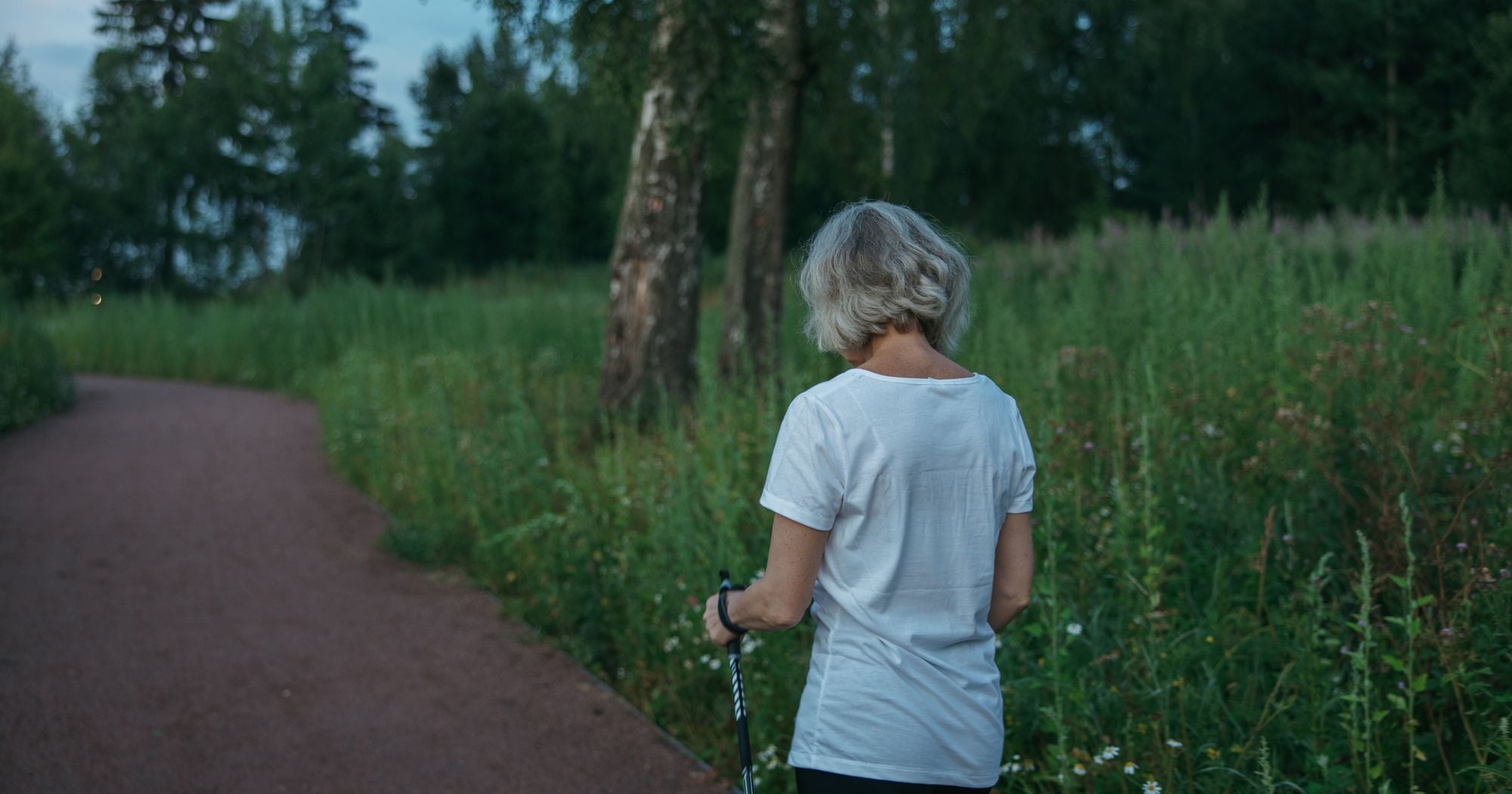
Most of us never think about our bones until something goes wrong. A wrist breaks after a small slip. A spine shortens by an inch. A parent's hip fracture changes the course of their later years. Osteoporosis is often called a silent condition because it causes no symptoms while bone is quietly thinning. The encouraging news is that bone health responds to the choices you make, and it is never too early or too late to start.
What Is Osteoporosis?
Bone is living tissue that is constantly being broken down and rebuilt. In childhood and the teen years, you build more than you lose, and most people reach peak bone mass in their late twenties. After that, the balance slowly shifts. Osteoporosis develops when bone loss outpaces rebuilding, leaving bones porous, fragile and more likely to fracture. Osteopenia is an earlier stage, with lower than normal density that has not yet reached the osteoporosis range.
Who Is at Risk?
Anyone can develop osteoporosis, but some people face a higher risk. Women are affected more often than men, particularly after menopause, when falling estrogen speeds up bone loss. Men lose bone too, usually later in life. Other factors include:
- A family history of osteoporosis or hip fracture
- Small, thin body frame or low body weight
- Early menopause or low hormone levels
- Long-term use of certain medicines, such as oral corticosteroids
- Conditions such as celiac disease, rheumatoid arthritis, thyroid or parathyroid disorders, and some kidney conditions
- Smoking, heavy alcohol use, and a sedentary lifestyle
- Low calcium or vitamin D intake over many years
Why It Matters
The danger of osteoporosis is the fracture. Hip and spine fractures in particular can lead to chronic pain, loss of height, reduced mobility and loss of independence. Research consistently shows that a fracture from a minor fall raises the risk of another fracture. Protecting your bones is really about protecting your ability to walk, travel, garden, lift your grandchildren and live on your own terms.
Osteoporosis is often called a silent condition because it causes no symptoms while bone is quietly thinning.
How Bone Health Is Measured
The standard test is a DXA scan, a quick, low-radiation X-ray that measures bone density at the hip and spine. Results are reported as a T-score, which compares your bone density with that of a healthy young adult. A score of -2.5 or lower indicates osteoporosis. Major guidelines generally recommend screening for women starting at age 65, and earlier for postmenopausal women with risk factors. Screening for men is often considered from about age 70, or sooner when risk factors are present. Your clinician can also use a tool called FRAX to estimate your ten-year chance of a major fracture by combining your bone density with your personal history.
Practical Steps to Protect Your Bones
Strong evidence supports a handful of habits. None of them is complicated, and together they make a real difference.
- Get enough calcium, ideally from food first: dairy, fortified alternatives, sardines, tofu set with calcium, and leafy greens.
- Make sure your vitamin D level is adequate, since vitamin D helps your body absorb calcium.
- Do weight-bearing and resistance exercise on most days of the week.
- Eat enough protein to support bone and muscle.
- Stop smoking and keep alcohol to a moderate level.
- Work on balance and home safety to lower your risk of falls.
- Ask whether a bone density scan is right for you.
Exercise: The Best Medicine for Bone
Bones get stronger when they are challenged. Walking, hiking, dancing and stair climbing load the skeleton, while resistance training with weights or bands stimulates bone and builds the muscle that supports it. Balance practices such as tai chi and yoga lower fall risk. If you already have low bone density, ask for guidance before starting, because some movements, like deep forward bending or heavy twisting, may need to be modified.
When Medication Is Considered
For people with osteoporosis or a high fracture risk, medication can lower the chance of breaking a bone. Several types exist, and the right choice depends on your bone density, age, other health conditions and preferences. Lifestyle steps remain important alongside any treatment. This is a decision best made in conversation with your clinician, weighing benefits and possible side effects.
Take the Next Step
If you have risk factors, have noticed a loss of height, have had a fracture from a minor fall, or simply want to understand where your bones stand, a conversation with your primary care doctor is a good place to begin. Together you can review your history, decide whether screening makes sense, and build a plan that fits your life. Call the office to start that conversation.